The absolute guide to start training, let’s hop into it!
So you’ve decided it’s time to start exercising huh? Congratulations! You’ve taken the first step on your way to a new and improved body, mind and lifestyle.
Exercising regularly is one of the best things you can do for your health. Soon after you start exercising, you’ll begin to see and feel the benefits that physical activity can have on your body and well-being.
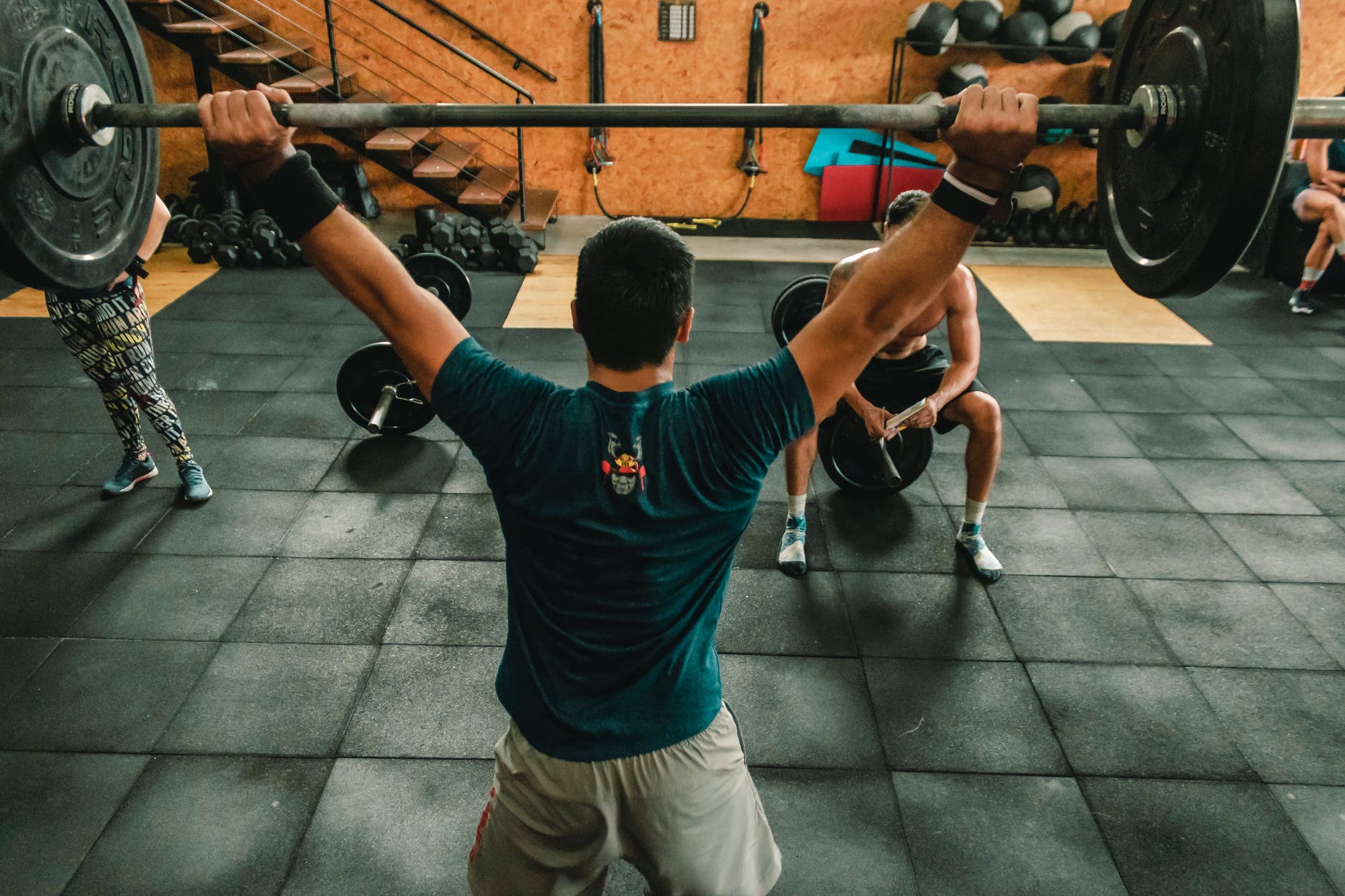
“Exercise is the magic pill,” says Michael R. Bracko, EdD, FACSM, chairman of the American College of Sports Medicine’s Consumer Information Committee. “Exercise can literally cure diseases like some forms of heart disease. Exercise has been implicated in helping people prevent or recover from some forms of cancer. Exercise helps people with arthritis. Exercise helps people prevent and reverse depression.”
And there’s nothing to argue that exercise help people lose weight, as well as look more toned and trim. But there’s a catch, You need to get and keep moving if you want to cash in on the benefits right? but this doesn’t necessarily mean following a strict, time consuming regimen at the gym although that can certainly reap benefits. The truth is you can get rewards from many different types and levels of exercise.
Ready to get started?

This beginner’s guide to exercise, including definitions of some common exercise terms, sample workouts, and recommendations on home exercise equipment will help in your way to training.
Before we start there are some key terms or fitness definitions one should know.
Fitness Definitions
- Aerobic/cardiovascular activity. These are exercises that are strenuous enough to temporarily speed up your breathing and heart rate. Running, cycling, walking, swimming, and dancing fall in this category.
- Maximum Heart Rate is based on the person’s age. An estimate of a person’s maximum age-related heart rate can be obtained by subtracting the person’s age from 220.
- Flexibility training or stretching. This type of workout enhances the range of motion of joints. Age and inactivity tend to cause muscles, tendons, and ligaments to shorten over time. Contrary to popular belief, however, stretching and warming up are not synonymous. In fact, stretching cold muscles and joints can make them prone to injury.
- Strength, weight, or resistance training. This type of exercise is aimed at improving the strength and function of muscles. Specific exercises are done to strengthen each muscle group. Weight lifting and exercising with stretchy resistance bands are examples of resistance training activities, as are exercises like pushups in which you work against the weight of your own body.
- Set. Usually used in discussing strength training exercises, this term refers to repeating the same exercise a certain number of times. For instance, a weight lifter may do 10 biceps curls, rest for a few moments, then perform another “set” of 10 more biceps curls.
- Repetition or “rep.” This refers to the number of times you perform an exercise during a set. For example, the weight lifter mentioned above performed 10 reps of the bicep curl exercise in each set.
- Warm up. This is the act of preparing your body for the stress of exercise. The body can be warmed up with light intensity aerobic movements like walking slowly. These movements increase blood flow, which in turn heats up muscles and joints. “Think of it as a lube job for the body,” Bryant explains. At the end of your warm-up, it’s a good idea to do a little light stretching.
- Cooldown. This is the less-strenuous exercise you do to cool your body down after the more intense part of your workout. For example, after a walk on a treadmill, you might walk at a reduced speed and incline for several minutes until your breathing and heart rate slow down. Stretching is often part of a cooldown.
So now as you’ve been familiar with some basic fitness terms, we can proceed further.
Check your health
First things first, the first step to any workout/training routine is to evaluate how fit are you for the training you’ve chosen. Whenever you begin a training program, it’s wise to consult a doctor.

But no matter what your medical condition is, you can usually work out in some way. “I can’t think of any medical issue that would get worse from the right kind of exercise,” says Stephanie Siegrist, MD, an orthopedic surgeon in private practice in Rochester, N.Y.
Assessing your fitness helps to set workout goals. For example, Hit the gym five times a week? do you want to prepare to run a 5K? Or just walk around the block without getting winded?
Make a plan and set realistic goals
Once you decide to start exercising regularly, try to create a plan that includes attainable steps and goals. One way to do this is to start with a plan of easy steps to follow. Then you can continue building on it as your fitness level improves.

“It is better to take many small steps in the right direction than to make a great leap forward only to stumble backward.”
Starting with small goals will not only increase your chances of success, it will also keep you motivated every step of the way.
Start low and go slow
Start slow and go slow, many beginners make the mistake of starting out too aggressively, they only give up when they end up being tired, sore, or injured.
“Injury prevention should be the first priority in every workout session”

Generally speaking, when people go about it too aggressively early in the program, they tend not to stick with it over the long haul. “What you really want to do is to develop some new habits that you can stick with for a lifetime.”
Warm up
Warming up the body before and after a workout or exercise is very important. For any fitness routine, it’s important to warm up, then do some light stretching.

My personal favourite activity for warming up is Skipping ropes. Warming up helps prepare your body for aerobic activity. A warm up gradually revs up your cardiovascular system by raising your body temperature and increasing blood flow to your muscles. Warming up may also help reduce muscle soreness and lessen your risk of injury.
Stretching
Next step after warming up is stretching the body, stretching before a workout helps your body to become more pliable, which decreases your risk for injury. You want to stretch the main muscle groups that you plan on working during that exercise session.

Reasons Why You Must Stretch Before and After Exercise
- Reduces muscle tension and makes the body feel relaxed.
- Helps in coordination by allowing freer and easier movement.
- Increase range of motion
- Avoid tired ,stiff and sore muscles
- Promotes circulation
Make fitness a lifestyle
“For me Fitness isn’t a seasonal hobby, Fitness is a lifestyle”

Another key component of training success is to stick to your routine. It seems to be easier for people to maintain a training routine in the long term if they make it a habit and do it regularly. Replacing an unhealthy behavior with a new healthy habit is a great approach to maintaining it in the long run.
Hey you made it to the end, I appreciate u bro and i hope that through all of these reasons, you’ve put on your sneakers, gotten out your gears, or decided to call your local gym to find out about classes. No matter what your age is exercise can help you achieve greater physical and mental fulfillment at any age.
 TEACHING MENS FITNESS